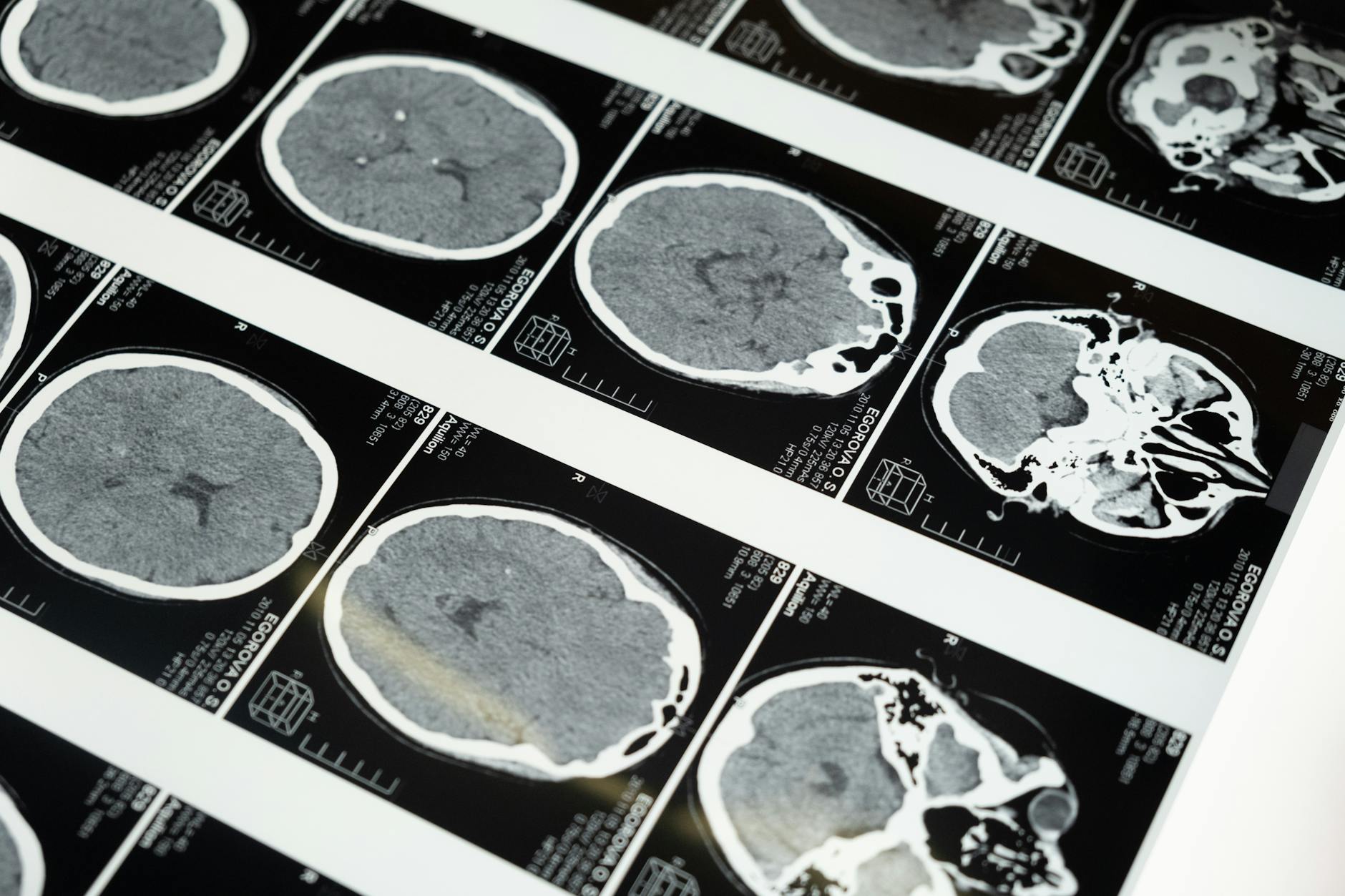
Deep brain stimulation is one of the most significant advances in Parkinson's disease treatment in recent decades, and for good reason. It can dramatically reduce tremor, rigidity, and slowness of movement. But there is one area where DBS does not always deliver the improvements patients hope for, and where it can actually make things worse: speech and voice.
What Deep Brain Stimulation Actually Does
DBS is a surgical procedure that places electrodes deep in the brain, typically in a region called the subthalamic nucleus (STN). Those electrodes deliver continuous electrical impulses that modulate the abnormal neural signaling responsible for Parkinson's motor symptoms. The results for limb tremor, muscle rigidity, and gait are often remarkable. Many patients experience dramatic improvement in their ability to walk, use their hands, and control involuntary movements.
The procedure works because the subthalamic nucleus is a key node in the motor control circuits that Parkinson's disrupts. By modulating activity in that circuit, DBS essentially "smooths out" the erratic motor signaling that causes so many of the classic PD symptoms. For patients who have been living with severe tremor, this can feel life-changing.
Why Speech Is Different
Here is where the picture gets more complicated. Speech production relies on a different set of motor circuits than limb movement, and the way DBS interacts with those circuits is not always beneficial.
Parkinson's disease commonly causes a speech pattern called hypokinetic dysarthria. This involves reduced vocal loudness (hypophonia), a monotone or flat pitch, rapid bursts of speech, imprecise consonants, and a voice that can sound breathy or strained. These changes happen because PD affects the same basal ganglia pathways that regulate the fine motor control needed for speaking, breathing, and swallowing.
When DBS electrodes are placed near the subthalamic nucleus, the stimulation can sometimes worsen speech symptoms even as it improves limb function. Research has shown that a meaningful percentage of DBS patients experience increased speech difficulty after surgery, including softer voice, reduced intelligibility, and more pronounced dysarthria. This does not happen to everyone, and the severity varies widely. But it happens often enough that every patient and family deserves to know about it before surgery.
The reason this occurs is not fully understood, but the current evidence points to the spread of stimulation to areas adjacent to the STN that are involved in speech motor control. Some of the same circuits that help regulate articulation and voice are close enough to the target site that they get affected by the electrical field. Adjusting stimulation settings can sometimes help, but there are real limits to how much programming alone can resolve speech issues.
The Speech Side Effects Patients Often Do Not Expect
Many patients and families arrive at DBS surgery expecting comprehensive improvement across all Parkinson's symptoms. This expectation is completely understandable given how effective DBS is for tremor and mobility. The surprise, and sometimes the distress, comes when speech does not improve or gets noticeably worse after an otherwise successful surgery.
Common speech changes after DBS include:
- Decreased vocal volume, sometimes significantly softer than before surgery
- Reduced speech clarity, making it harder for family members to understand
- Increased monotone quality, with less natural variation in pitch and rhythm
- Fatigue during longer conversations
- Changes in swallowing, which is closely related to the same muscle systems
These changes are not a sign that the surgery failed. DBS can be highly successful at what it was designed to do while still having unintended effects on speech. Understanding this before surgery allows patients and families to plan appropriately rather than feeling blindsided after the procedure.
Why a Pre-DBS Speech Baseline Matters
One of the most important, and most commonly skipped, steps in the DBS process is a formal speech and voice evaluation before surgery. A baseline evaluation documents how a patient's voice and speech function at that point in time, which becomes invaluable for comparison after the procedure.
Without that baseline, it is difficult to know whether a post-DBS speech change represents a true worsening from the surgery or simply the natural progression of Parkinson's disease. It is also harder to design a targeted therapy plan without knowing where the patient started.
A pre-DBS speech evaluation should include acoustic measures of voice (volume, pitch range, vocal quality), standardized assessments of speech intelligibility and rate, and ideally a swallowing screen as well. This gives the care team the data they need to make informed decisions, and it gives the patient a clear picture of their baseline communication function.
Amanda Smith, MS, CCC-SLP, at Lasting Language Therapy in Sandy Springs works with Parkinson's patients across all stages of the disease, including those preparing for or recovering from DBS surgery. Establishing that pre-surgical baseline is a core part of how she approaches PD care.
Speech Therapy After DBS: What the Research Supports
The good news is that speech therapy after DBS is effective. The most well-researched approach is LSVT LOUD, an intensive voice treatment specifically designed for people with Parkinson's disease. LSVT LOUD targets hypophonia directly, training patients to produce louder, more effortful voice through a structured four-week protocol.
Importantly, the evidence base for LSVT LOUD extends to patients who have had DBS. Studies have shown that post-DBS patients can achieve meaningful gains in vocal loudness, speech intelligibility, and communication confidence through LSVT LOUD treatment. The treatment does not interact negatively with DBS, and in many cases the improvements from therapy can compensate substantially for the speech difficulties introduced by stimulation.
Amanda is LSVT LOUD certified and uses this approach with patients at Lasting Language Therapy as part of a broader communication program tailored to each person's goals and challenges. For post-DBS patients especially, having a speech-language pathologist who understands the interaction between stimulation and voice is an important part of the care picture.
Coordinating with the DBS Programming Team
One aspect of post-DBS speech care that often gets overlooked is the relationship between stimulation settings and voice. DBS devices are programmable, and neurologists or movement disorder specialists work to find the optimal stimulation parameters for each patient. Those settings involve real trade-offs: the settings that maximize tremor control may not be the settings that best preserve speech, and vice versa.
This means that speech therapy and DBS programming are not separate tracks. They are connected, and ideally the speech-language pathologist and the DBS programming team are in communication about a patient's response to treatment. When speech therapy reveals specific changes in a patient's communication after a programming adjustment, that information should feed back to the neurologist. When the neurologist makes changes to settings, monitoring speech outcomes should be part of the follow-up.
Patients in the Atlanta area, including those coming from Roswell, Dunwoody, Woodstock, and surrounding communities, often have access to strong DBS teams at area hospital systems. Connecting that medical care with community-based speech therapy, whether in person or via telehealth across Georgia, creates a more complete support structure.
Setting Realistic Expectations Without Discouraging Hope
DBS is genuinely effective for many people with Parkinson's disease. The goal of this information is not to discourage anyone from pursuing it, but to make sure that speech and communication are part of the conversation early rather than becoming an afterthought after surgery.
The patients who tend to do best with communication after DBS are those who:
- Had a formal speech evaluation before surgery to establish a clear baseline
- Were informed about the potential for speech changes before they happened
- Started speech therapy proactively, rather than waiting until communication problems became severe
- Maintained open communication between their therapy team and their DBS programming team
At Lasting Language Therapy, serving the Sandy Springs area and telehealth patients throughout Georgia, Amanda Smith works to make sure patients have this kind of comprehensive support. Parkinson's is a complex condition that responds best to care that addresses the whole person, including the voice.
If you or someone you care for is preparing for DBS, has recently had the procedure, or is experiencing speech changes related to Parkinson's at any stage, a speech evaluation is a practical and important step. Early intervention consistently produces better outcomes than waiting.